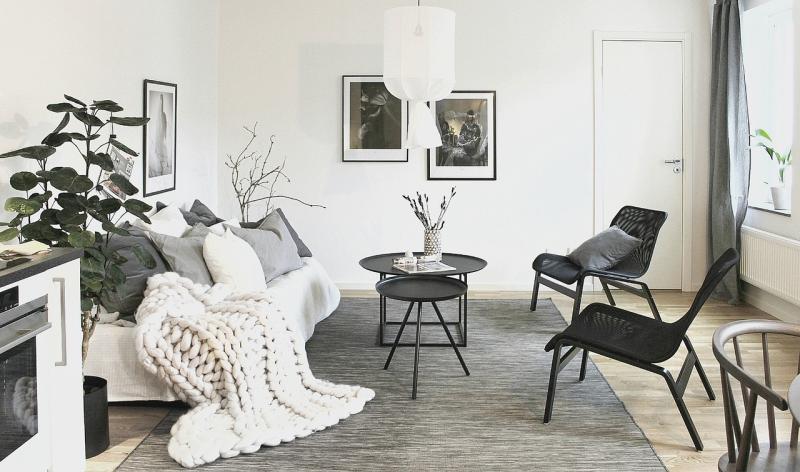
Finding the right space for yourself can make a world of difference, especially when you’re looking to create a calm environment that soothes an ADHD mind. Start by considering the layout of your room. Aim for open spaces with minimal clutter. A clean design keeps distractions at bay and helps you focus better.
Next, think about the colors you want to surround yourself with. Soft, muted tones like pale blues or greens can promote relaxation. Avoid busy patterns; they can feel overwhelming. Keep your decor simple and think about investing in a few key pieces that bring you comfort without overcrowding your space.
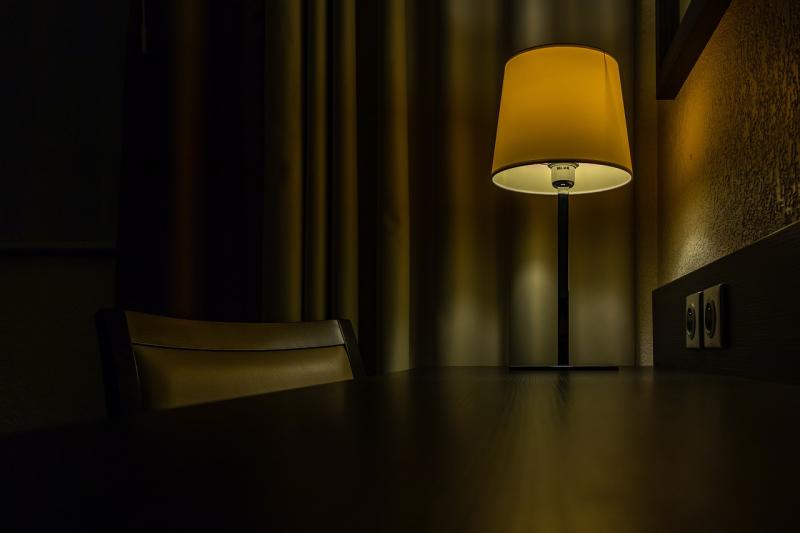
Lighting is super important too. Natural light is the best option, but if that’s not available, opt for warm, soft lighting. Avoid harsh fluorescents—they can make a space feel tense. Consider using lamps that give off a cozy glow to create a more inviting atmosphere.
Lastly, add personal touches that ground you. This could be a comfy chair for reading, plants for a pop of life, or even soothing scents from candles or diffusers. Each of these elements adds to the overall calm and makes your space feel uniquely yours.
Minimalist Decor for Focus
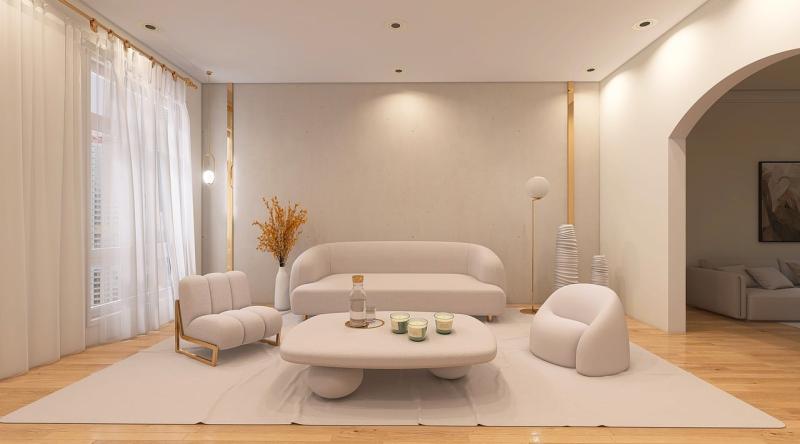
When it comes to creating spaces that help with focus, less is often more. Minimalist decor can play a huge role in creating an environment that calms distractions and promotes concentration. Think open spaces and uncluttered surfaces. This doesn't mean your space has to feel empty; it just needs to feel organized.
Consider using neutral colors for your walls and furniture. Shades like soft white, light gray, or pale beige can make a room feel peaceful and airy. You can add personality with a few well-chosen decorative items—like a single plant or a piece of art that speaks to you. Just be careful not to overcrowd the space; balance is key.
Storage solutions are also essential. Look for furniture with built-in storage, like ottomans or coffee tables that open up. This makes it easy to keep things out of sight while still having what you need on hand. A tidy space means fewer visual distractions, allowing your mind to focus on what really matters.
Lighting can have a significant impact on how you feel in a room. Natural light is fantastic, but not always possible. Consider soft, warm lamps for evening tasks instead of harsh overhead lights. A light that can be dimmed gives you the flexibility to adjust the mood according to your needs.
Color Choices for Calm Vibes
Choosing the right colors can really change the vibe of a room, especially when you're looking to create a calm space. Soft, muted tones are your best friends here. Think light blues, gentle greens, and soft neutrals. These colors can help bring a sense of peace and encourage relaxation.
When picking out your decor or furniture, go for shades that aren’t too bright or flashy. Bright colors can be overstimulating and might not be the best choice for a calming environment. Instead, try to stick with colors that make you feel serene. Pastel shades or earthy tones work wonders in keeping a space grounded.
Textures can also play a big role in how colors feel in your space. Mix your calming colors with soft fabrics like cotton or linen. A cozy throw blanket or plush pillows in those soothing shades adds warmth and comfort. The overall look creates a retreat where you can recharge and feel at home.
Don’t forget about accent colors! You can still introduce a pop of color here and there, but keep it subtle. A cheerful art piece or a vibrant plant can give your space character without overwhelming the senses. Balance is key—just a hint of brightness can lift your mood while still keeping the calm vibe going strong.
Simple Layouts That Work
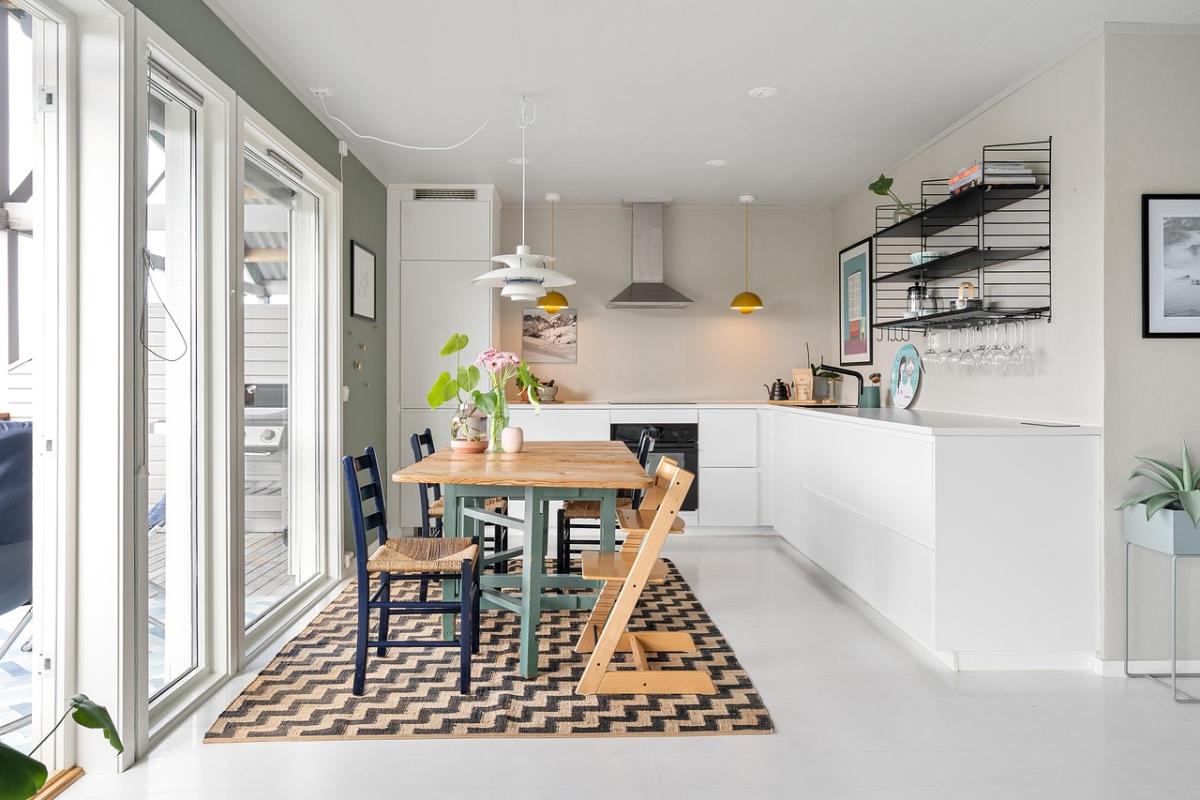
Creating a calm space is all about simplicity, especially for ADHD minds. Simple layouts can help reduce distractions and promote focus. Think about your favorite coffee shop with clean lines and minimal clutter. You can achieve that same vibe at home.
Start with furniture that’s functional and sleek. A low-profile couch or a simple table can do wonders. Here are some tips to keep in mind:
Lighting plays a huge role too. Natural light is your best friend. If you can, position your work or relaxation area near a window. If that's not possible, opt for soft, warm lighting that feels inviting and calming.
Colors matter, too! Soft neutrals or cool tones create a soothing atmosphere. Bright colors can be energizing but might feel chaotic. Stick with shades that help you breathe easy and stay focused. With these simple layout ideas, you're well on your way to creating that calm space that's perfect for your needs.